
“Executive Functioning strategies help students move beyond the content being taught, so that learning is process-based and not only outcome-based.”
-Dr. Lynn Meltzer
Aftermath #2: Daily Exposure to/Need to use Executive Functioning (EF) Skills: Organizing Tasks, Scheduling Video-Conferencing Meetings, Resisting Distractions and Being Flexible
We all had to be flexible over the last 14 months. We had to persist and work through challenges and distractions (work from home parents, you feel this!) and even our youngest students had to manage schedules, task completion and “meeting” times. This situation that we were thrown into in March of 2020 tested and forced us all to use some aspect of our executive functioning skills to manage a non-traditional school day. Students no longer were physically in the classroom, having the educator to keep them on schedule for subjects, lunch, ect.
Executive Function skills are self-management skills that help all of us (adults and students) manage tasks and achieve goals. In order to be effective, we all must be able to manage our emotions, focus our attention, organize and plan our tasks and time, and reflect upon and revise our processes of managing these, especially as circumstances and environments change. I would be willing to bet that students (and adults) with stronger executive function skills were able to manage non-traditional education easier. And those with weaker executive functioning skills, struggled more with the changes and managing their own learning. Regardless of how successfully, or unsuccessfully, your EF skills played a role in the last 1.5 years, they were tested and utilized in some way. Now we have an opportunity to create classroom processes and procedures that help foster, refine and enhance the building, continuation and progression of EF Skills in students.
Opportunity #1: Use a Blended Classroom Model (Digital and Paper Based Tools) to Foster, Refine and Enhance the Continuation of Building EF Skills such as Time Management, Task Completion and Project Planning to Build Self-Starting, Prepared and Resilient Learners.
First of all, let’s review, specifically, some key executive functioning skills students (and adults) need to be successful in reaching goals. I will also list some tools, procedures and/or practices you can have/use digitally, or pen and paper to foster EF foundational skill development and support in your elementary classroom.
- Self-regulation: Students need to be able to manage strong emotions and inhibiting impulsive behaviors. Utilizing morning check-ins (digital, paper or meeting), sharing out, journals, behavior sheets, self-reflection sheets (behavior and skill-based) can all help students build and develop self-regulation skills.
- Managing time: Students need to be able to manage their time to complete tasks and allow the time needed to sufficiently be able to plan their task. Having clear posted schedules, using agendas, Google Calendar, digital timers for tasks and/or assignments can help keep time management in the forefront. (A freebie I provided below is a great tool for this!)
- Attention: Students must be able to sustain focus, especially for multi-part and long term tasks, to be successful. Many students will need additional supports in this area. Ways to help practice this skill is to have have scheduled breaks, clear expectations, chunking assignments, visual reminders.
- Task Initiation: Starting a task, especially a non-preferred task, is difficult at times for students, but sometimes it is more about not understanding the expectations or directions. Ensuring you are providing students with clear directions, instructions, expectations and assistance like stems and starters along with check-ins can help students get started on a task.
- Organization: Organizing supplies, materials, and communications, at home and in school, is crucial to success. Having an organized classroom, clear posted expectations, and providing students with explicitly taught and practiced systems can help support and teach them organizational skills. (A freebie I provided below is a great tool for this!)
- Reminders and Planning: Remembering objects as small as a book needed to read for an assignment this week, or mapping out multi-step tasks such as longer-term projects, or having reminders and plans is a key skill students will use in academics, and life skills. Checklists, agendas, notes cards, mind-maps are all tools that are great to use as processes for remembering and planning tasks. (A freebie I provided below is a great tool for this!)
Executive Functioning skills are crucial in success of staying on track and meeting goals. These are not innate skills. Much like math, and phonics, they need to be MODELED, TAUGHT and PRACTICED! It is our job as educators to help students develop, practice and employ these important processes and life skills to prepare to be successful in reaching all the goals they set and strive for in their career and lives.
Free Resources from Me to You
I am going to provide you with three FREE digital resources to look over and think about if they could be incorporated into your instruction and classroom this fall that can help support EF skills in students. Click on the link after each resource to be directed to my Teachers Pay Teachers Store to download the free product.
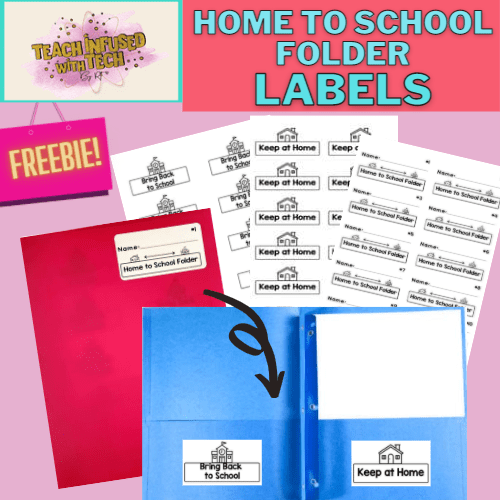
1. Take Home Folder Labels and Directions
This resource is a set of folder labels to create a home-to- school folder. Students can easily organize papers and communications to go home, separating what they need to bring back to school and what needs to be kept at home .
This resource includes: 30 name labels numbers 1-30, 30 “Bring Back To School” labels and 30 “Keep at Home” labels to create a whole class set (up to 30) of take home folders.
For all grade levels.
Click Here to Download the Home to School Folder Label Resource
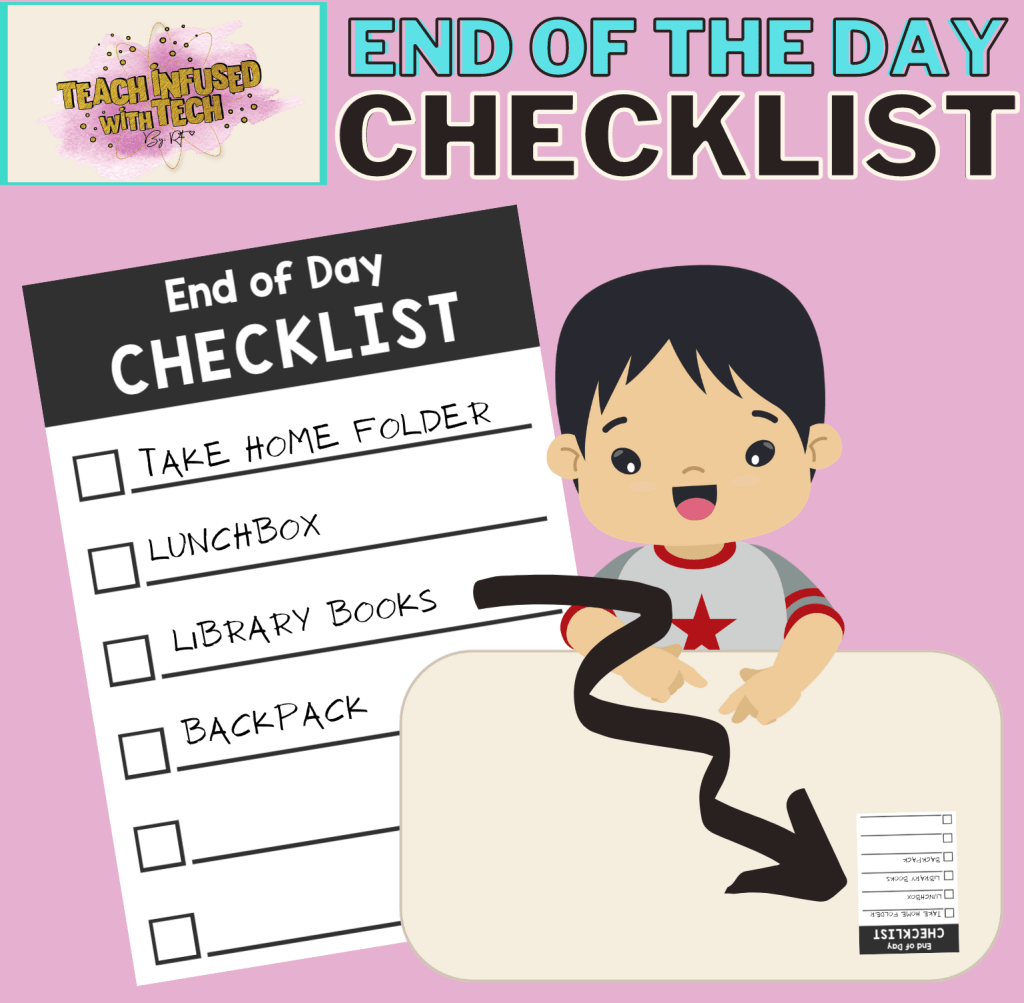
2. End-of-the-Day Desk Checklists
This resource is a template for an end-of-the-day checklist that can be attached to desks. This checklist can serve as a visual cue / reminder of items that need to be remembered at the end of the school day.
For all grade levels.
Click Here to Download the End-of-the-Day Desk Checklist
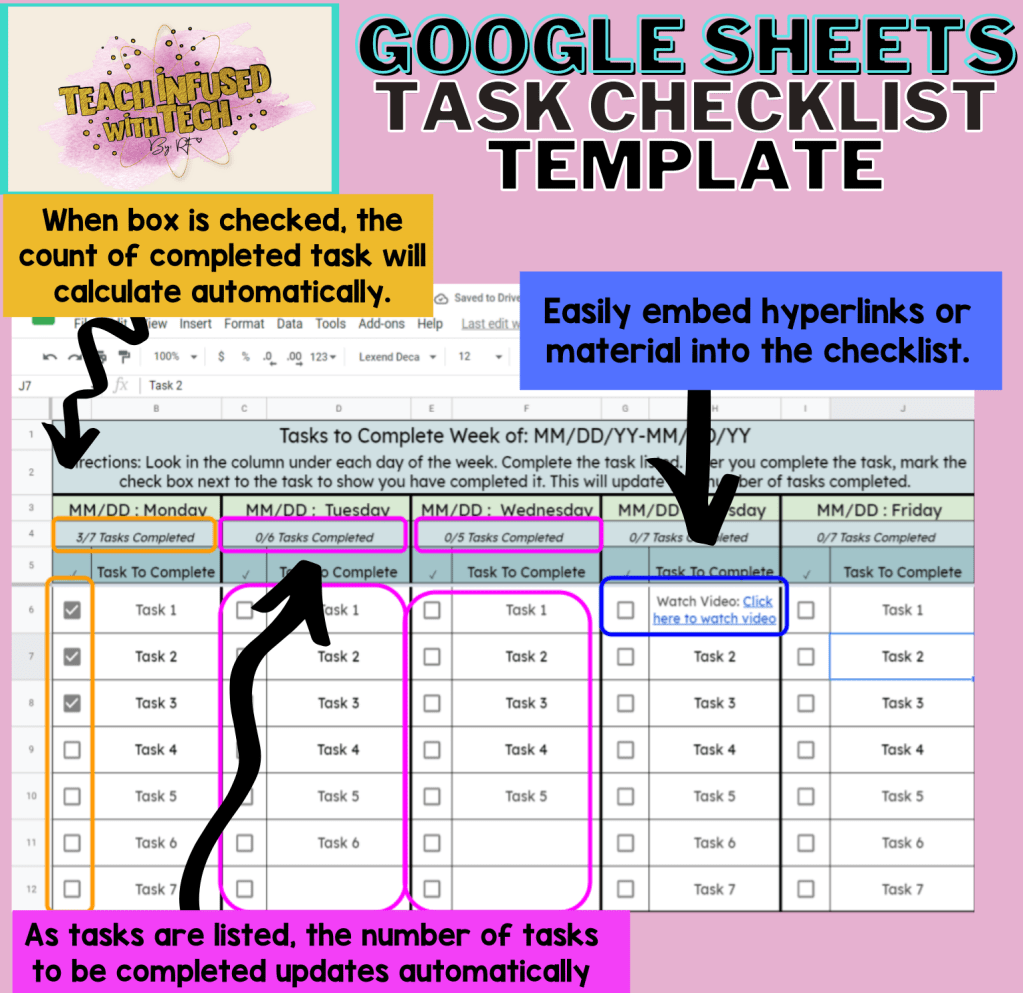
3. Google Sheets: Task Checklist Template
This resource is a Google Sheets Task Checklist Template to create a weekly task checklist. Students can easily see what needs to be done, check off when they have completed, and have a visual tracker to plan and organize task completion.
For all grade levels.
Click Here to Download the Google Sheets Weekly Task To-Do Digital Checklist
In part 3: I will cover, the Aftermath: Innovate Mindset and will have some more thoughts, ideas and free resources to share!
 Teach Infused With Tech By: RF